13 Brand New Mobile #Keready Clinics Ready For Action In KZN
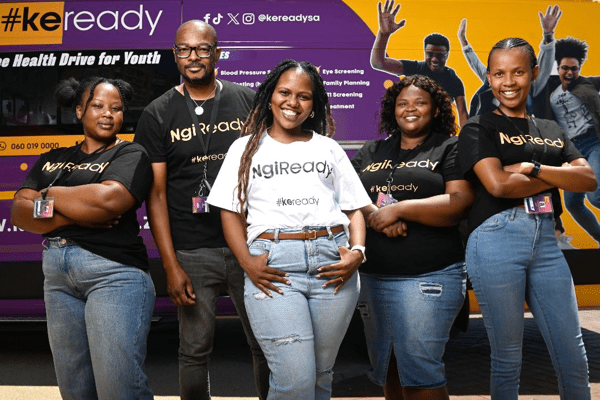
Thirteen brand new cutting-edge mobile health clinics have been put in action in KwaZulu-Natal by the dynamic youth-driven movement and leading mobile healthcare provider Keready.
The launch of these new clinics represents a significant milestone in Keready’s commitment to bring free quality medical services to communities in need, especially the youth.
Equipped with modern medical facilities and staffed by highly trained young healthcare professionals. These clinics offer an array of services tailored specifically to the needs of young people and their communities. This includes sexual & reproductive health services, such as family planning, STI treatment, HIV and pregnancy testing. Other services include testing for diabetes and blood pressure checks, amongst other checks that are done at the clinics.
The clinics are specifically designed to support young people in underserved areas in KwaZulu-Natal, with a particular focus on eThekwini, Umgungudlovu, Uthukela, and King Cetshwayo Districts.
Dr Siyanda Mgangato, the young doctor overseeing the operations in the uMgungundlovu District, says:
“With these mobile clinics, we bring quality healthcare to the doorsteps of those in need, empowering them to take charge of their health and well-being.”
“We make sure to create a non-judgmental and welcoming environment, where everyone feels comfortable seeking our services. From health check-ups to offering specifically tailored services for young people, we strive to empower youth to take charge of their health and well-being,” says young doctor Dineo Sefoloko, who oversees the Durban operations.
Saira Carim, the doctor in the King Cetshwayo District adds:
“In addition to our clinic services, we also utilise popular platforms such as TikTok to connect with young people and provide them with informative and engaging content. Our 24/7 “Ask A Keready Doctor” WhatsApp line further emphasises our dedication to being available and accessible to young people when they need us the most no matter where in South Africa they are connecting from.”
The arrival of the clinics in KwaZulu-Natal follows the successful delivery of eight clinics in the Eastern Cape just a month ago, following later this month another 13 clinics in Gauteng and nine more in the Western Cape in January. The Keready team, handling a total of 46 mobile clinics, includes ten young doctors, 95 nurses, 50 communicators, dedicated drivers, and nearly two- hundred mobilisers across the 4 provinces.
Connect with Keready on social media:
Facebook | Twitter | Instagram | TikTok | WhatsApp
About Keready
#Keready launched in February 2022 and initially positioned itself as a ‘youth Covid-19 vaccination movement’ with its #keready2flex Challenge, but it has evolved into a movement that seeks to enhance healthcare-seeking behaviour among young people and improve access to health services. #Keready now offers integrated health services, via 46 mobile health clinics, taken directly to young people.
Young people comprise well over a third of South Africa’s population making them a key demographic for social, economic and political change, yet more often than not they are excluded from decision-making that has a direct impact on them. It’s therefore not surprising that many young people are distrustful of government, business and society in general, especially when faced with service delivery having broken down, corruption, scarcity of opportunities, and limited social mobility or prospects for improved income growth. When it comes to health there is a gap in health services for young people with the focus primarily being on SRH services for women, and men are scarcely provided for or other forms of prevention either. Youth are also left out of the communication process that is aimed at them and aren’t likely to respond favourably to information that is state-sponsored or delivered by paid influencers with a hidden objective, even if it is for their own good. Instead, they tend to rely on information from their peers, professionals and trusted community members.
So, what do you do when you are trying to motivate healthcare-seeking behaviour, active citizenry and agency among the youth? Well you launch an unbranded campaign that calls on young people to be the creators of their own message and you provide a platform for them to roll out their own content. Keready put young people in control of the message, creating incentives for their participation in vaccination programmes and public health activities, as well as offering unfiltered health information. No jargon and no judgement are just some of the Keready principles for communication and mobilisation. It also recruited young ex-community service doctors to talk to young people about their health in a lingo that is palatable and relatable (Mogodu Monday, Skrr skrr and 4-5!) and uses a mix of platforms to engage. Unconventional marketing platforms that aren’t usually used for health promotion, such as Twitter Space, TitTok challenges, Weekend Guides, IG lives with a guest doctor, Health Reels, Podcasts and WhatsApp A Doctor, are part of the mix where youth actively engage with Keready.
The frank, unfiltered approach of providing health information from young doctors and nurses for young people, bolstered its credibility, and this age group has seen the biggest proportion of weekly vaccinations since the Keready launch. The message is clear you have to reach people where they are. The Keready team also forms part of DGMT’s demand acceleration team tasked with driving public communication and awareness, by supporting and working with the National Department of Health, and has been fully endorsed by the Minister.
#Keready mobile clinics operate in four provinces that have large numbers of young people (Eastern Cape, Gauteng, KwaZulu-Natal and the Western Cape) staffed by a team comprising a professional nurse, enrolled nurse, driver, communicator and local mobilisers supported by the Keready doctors. Services offered include: health screening – HIV, cholesterol, diabetes; SRH and family planning services; immunisations that include HPV, measles and Covid-19; health check-ups; and treatment for a range of health conditions. This model is pioneering and set to change the way health services are provided to and accessed by young people.