Short film ‘Yaadt Queen’ highlights unique aspects of the Cape Flats, builds bridges with music
Music as escapism is a familiar theme among filmmakers. It is also a useful tool for telling a coming-of-age story about a young person finding their voice. Yaadt Queen sets itself apart from the ordinary by placing the story in the unique space of the Cape Flats, with music that is not so widely known – yaadt and gqom.
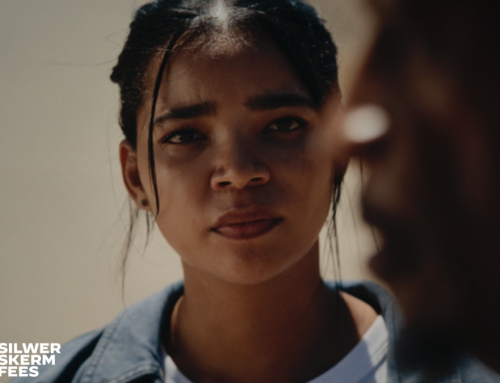
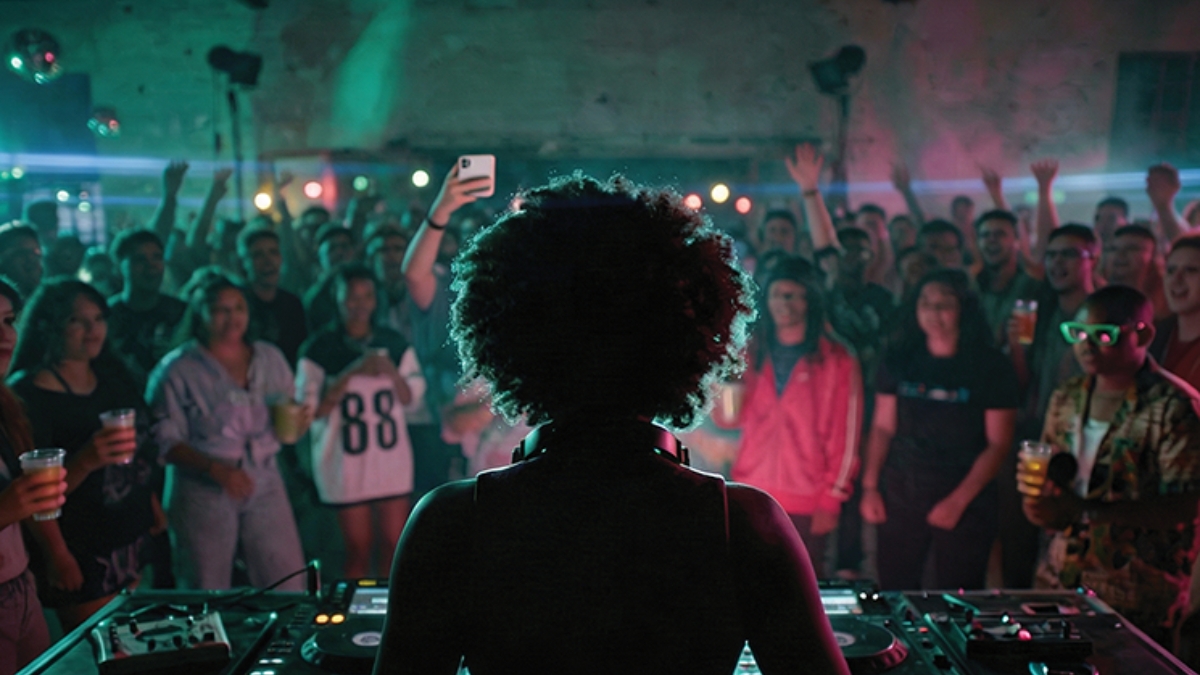
Keisha’s (Chanté Grainger) relationship with her mother, Ruth (Kim Syster), is particularly strained. The only time the quiet, shy teenager can escape her mother’s watchful eye is when she slips away with the help of her friend (Alvaune-Lee Lewis) to show her skills as a DJ on the yaadt scene.
Ultimately, the truth sets the mother and daughter free, and bridges are built between generations – just as the different types of music prove that boundaries can be broken down.
Questions for Kyle Morkel and Kirsten Jaftha, writer-directors.
Yaadt and gqom. Many people won’t even know what the two words refer to. Tell us more about this music and how it fits into the world of the Cape Flats.
Yaadt is a music genre that originated on the Cape Flats. It is about sampling – taking well-known songs and reworking them to suit the yaadt (shebeens and house parties). Anything from Adele to Bok van Blerk’s “Lemoene” could be transformed into something people could party to.
It was never meant as mockery, but as a celebration of the original music. Back then, we often didn’t even know who had made the remix; we simply enjoyed the music and had fun together.
Gqom is an electronic African sound that originated in Durban. The genre quickly became popular among young people. For many of us, Distruction Boyz’s “Omunye” was the first introduction to gqom. When Temple Boys later released an Afrikaans gqom hit, the love for the genre spread further across the Cape Flats.
Keisha combines these two worlds. In doing so, she honours her father’s legacy while also creating her own unique sound.
It is a contemporary story, but history and violence play a role. And the generational gap is also significant. Tell us more.
As young Coloured filmmakers, we feel it is important to portray our communities honestly and authentically. Film should not only be entertainment; it must also create space for people to recognise themselves and their experiences on screen.
Many people of colour in South Africa grow up without a father figure. Kirsten has experienced first-hand the impact of how gang violence on the Cape Flats can rob a family of a father figure. Such trauma often causes parents to try to protect their children from the world out of fear. That is understandable, but it can also cause people to stop dreaming.
Yaadt Queen is ultimately about healing. It is about how we can move from surviving to truly living. We acknowledge the challenges that many communities still struggle with, but we also wanted to celebrate the things we are proud of: our music, our humour, our resilience, our creativity, and our ability to still find hope.
You emphasise the importance of supporting emerging talent and telling local stories. What was the inspiration for Yaadt Queen?
Yaadt Queen is the kind of film we would have loved to watch as young people. We grew up with inspiring films about young people chasing their dreams and finding their place in the world.
One of our biggest references was Honey (2003). We want to see more strong young lead characters on screen who look like us, speak like us, and have similar life experiences.
Films like Step Up and Stomp the Yard also inspired us, but we wanted to translate that energy into a South African context. DJ culture is incredibly strong right now, and music has always been something that brings communities together. It reaches beyond age, culture, and background. If the beat is good, everyone parties together.
Yaadt Queen works very strongly with contrasts. Can you elaborate on this?
For Keisha, music represents freedom, identity, and opportunity. For her mother, Ruth, that same music is a reminder of loss, pain, and danger. What looks like fun or an adventure to Keisha feels like a threat to Ruth.
This contrast is also carried through visually. The house makes Keisha feel confined, while the yaadt world outside offers space for self-expression and freedom.
We paid a great deal of attention to the unique textures, colours, and rhythm of the Cape Flats. The yaadt scene is raw, imperfect, and authentic – therein lies the beauty. Our goal was not to change the community for the camera, but to highlight its existing beauty.
What other stories do you want to tell, and which genre do you most enjoy working in?
We both love humour. In our personal lives, we are constantly cracking jokes and almost perform like stand-up comedians for our family and friends.
We would love to create more inspiring, family-friendly content without shying away from important questions and themes. We see ourselves working especially in the space between comedy and drama – perhaps even action comedies or buddy films, which are what our grandmothers loved.
As children, we gathered around the television every evening as a family. Our dream is to create that same experience for other people – to bring communities together around stories that make them laugh, think, and feel.
Anything else you would like to share with viewers?
The film is very close to our hearts. It is special to have been able to make it together as a family. Our grandmothers, Maude and Mary, were twin sisters, and that is why we named our production company Maude & Mary Studios.
Since we were small, Kyle and I have shared these dreams. To now see those dreams come to life feels almost surreal.
We are incredibly grateful for the opportunity to tell this story. No film is made alone – it takes an entire community.
The 14th kykNET Silwerskerm Festival will be held from 19 to 22 August in Camps Bay, Cape Town. Tickets for the films, as well as the prestigious awards ceremony on Saturday 22 August, are available via Quicket.
The full kykNET Silwerskerm Festival programme can be viewed online here.
The kykNET Silwerskerm Festival is sponsored by the City of Cape Town, Vuma, the Dagbreek Trust, Village ’n Life, and the National Film and Video Foundation (NFVF).
Stay up to date with the latest Silwerskerm Film Festival developments on social media:
Facebook | Twitter | Instagram | Hashtag: #Silwerskermfees
Visit the kykNET website and join the conversation on Twitter, Instagram, TikTok and Facebook.