Fuelling the Finish: Nutrition Strategies for Multi-Day Endurance Events
Multi-day endurance racing strips away the superficial and exposes the fundamentals. Whether you’re tackling hard enduro, adventure rallies or ultra-distance events, the body’s response to sustained physical demand follows predictable patterns. Understanding these patterns and preparing accordingly separates those who finish from those who don’t.
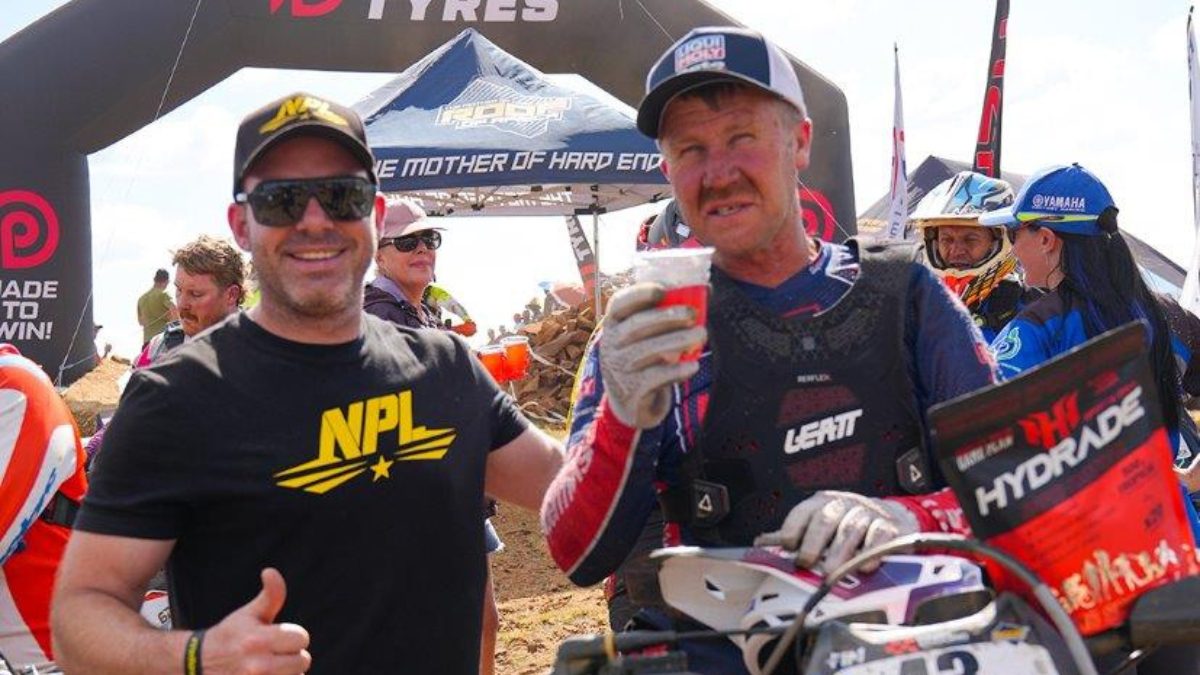
Nutritional Performance Labs’ ongoing work with athletes across multiple endurance disciplines, particularly at the iconic 2025 Roof of Africa, continues to reinforce the understanding that nutrition is not a performance enhancer, but the foundation on which performance is built.
Altitude, Fatigue and Nutrition: What Extreme Conditions Reveal
High-altitude environments accelerate the consequences of poor preparation. Operating above 1,400 metres, athletes experience increased respiratory water loss, suppressed appetite and altered digestion. But these challenges aren’t unique to Hard Enduro racing. Heat, humidity, cold and extended physical output create similar physiological stress in different combinations.
The athletes who perform best across multi-day events share common preparation patterns. They maintain consistent hydration protocols. They treat recovery windows as seriously as race stages. When these fundamentals are compromised, performance degrades rapidly and predictably.
What becomes clear when supporting riders through events like The Roof, or any demanding multi-day challenge, is that the margin between finishing and withdrawing is often decided during recovery periods rather than competitive stages. An athlete who crosses the line exhausted but implements structured protein and electrolyte intake within 30 minutes consistently reports better next-day performance than one who delays recovery nutrition.
Lessons from Lesotho: Applying Field Research to Your Race Calendar
Working with competitors in the Maloti Mountains provided a concentrated study in what succeeds under genuine duress. The terrain – boulder fields, mountain passes, technical descents – demands constant physical and mental engagement. Mistakes compound. Nutrition becomes non-negotiable.
These observations from supporting competitors through extreme conditions translate directly into practical preparation:
- Pre-loading matters more than mid-race intervention. Athletes who arrived properly prepared showed measurably better resilience. Those who attempted to compensate during the event struggled to recover lost ground.
- Simplicity under stress is essential. Complex nutrition plans that require multiple products, precise timing, and conscious decision-making tend to fail once fatigue sets in. The most successful protocols rely on simple, repeatable patterns that become automatic.
- Individual response varies dramatically. What works in training may not transfer to race conditions. Testing your specific protocol during training rides at similar intensities and durations isn’t optional, it’s mandatory.
- Recovery is where races are won. The physical output during stages is largely determined by preparation and skill. The ability to repeat that output on day two and three depends largely on overnight recovery. Structured post-stage nutrition consistently distinguished finishers from those who withdrew.
Practical Application for 2026
Whether your calendar includes hard enduro, adventure rallies or other endurance disciplines, the same principles apply. The body’s energy systems, hydration needs and recovery requirements don’t change based on the specific sport, only the intensity and duration of demand.
For those already preparing for this year’s Roof of Africa in September, or other multi-day challenges throughout 2026, consider the following:
- Systematic preparation beats reactive supplementation. Build your nutrition protocol during training, not during competition. Test different products, timing and quantities under conditions that approximate race stress.
- Recovery infrastructure matters as much as race-day strategy. Plan your post-stage nutrition as carefully as your mid-race fuelling. Know what you’ll consume, when and how much. Make it simple enough to execute when exhausted.
- Altitude and environmental factors require specific adaptation. If your event involves high altitude, extreme temperatures or unusual conditions, adjust your hydration and nutrition accordingly. Generic protocols won’t suffice.
- Monitor and adjust based on response. Track how your body responds during training and early race stages. Be prepared to modify your approach if something isn’t working, but don’t abandon the fundamentals.
The difference between an ambitious entry and a successful finish often comes down to infrastructure. Skills, fitness and equipment get athletes to the start line, but structured nutrition and recovery carry them to the finish.
For more information about NPL visit the website.
Connect with NPL on social media:
Facebook | Instagram | YouTube | TikTok