Live to work…nah, I don’t think so. Work where life happens.
Work-life balance is quietly clocking out. In its place comes a way of working that actually reflects how people live, with meetings, school runs, errands and coffee breaks sharing the same daylight hours. When work happens where life already unfolds, the day feels lighter, teams stay focused and productivity follows without the pressure. This is not a trend. It is a practical reset in how the modern office fits into real life. Penelope Meniere, National Marketing Manager at Workshop17, shares her take on why this more natural rhythm is striking a chord with today’s professionals.
2026 has arrived with a fresh set of office habits and a growing sense that one overused workplace mantra has run its course. Work-life balance had a good innings, but if we are really being honest, it never quite balanced now did it? The idea looks great on paper, yet most professionals know their days refuse to sit in tidy halves.
Let’s be honest, the concept is about as balanced as the marketing team on surfboards. Plenty of enthusiasm, but not something you would bet on long term.
What is stepping in to take its place feels far more believable? Let me introduce you to work-life integration.
Life does not pause at eight or nine when the workday begins. It carries on, weaving through the hours in a way that feels natural. Dentist appointments, school pickups, strategy sessions, board meetings, coffee runs and deadlines all share the same space. Instead of pulling in opposite directions, they form part of a fuller, more realistic day.
This thinking is shaping a quieter shift in what people expect from the places where they work. Increasingly, professionals want environments that sit within their lives rather than on the outskirts of them. Somewhere you can step out to grab what you need, meet a friend for lunch, tick off an errand or simply clear your head, without turning the day into a logistical puzzle.
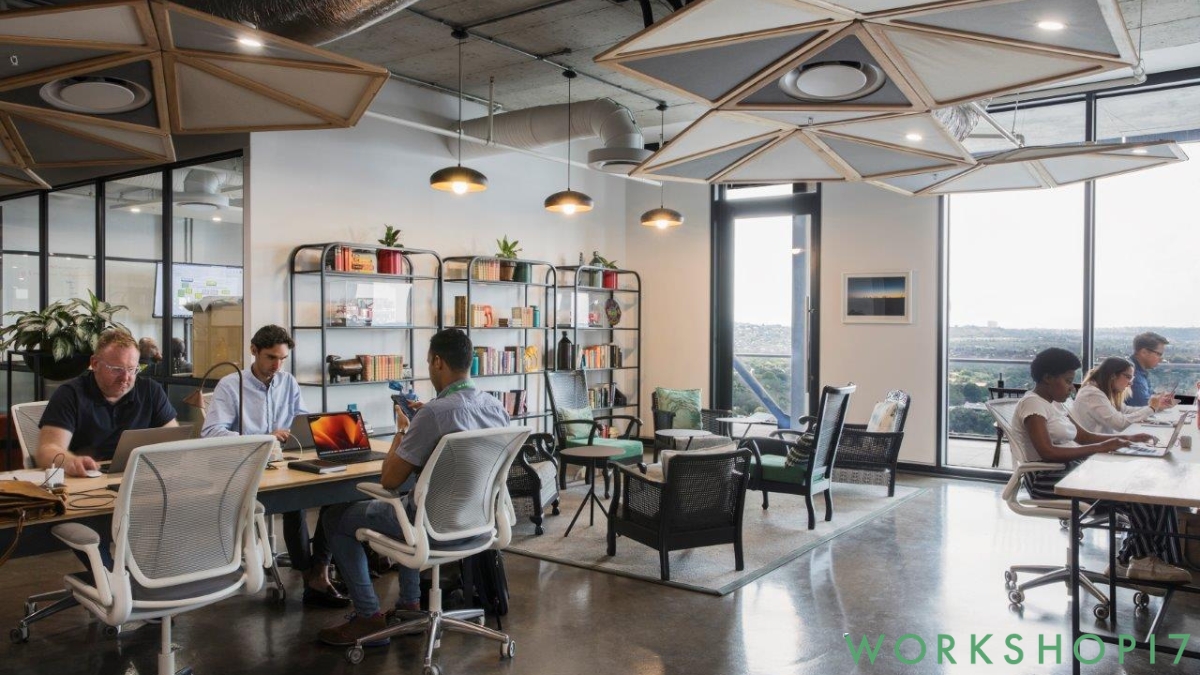
Some flexible workspace communities have built their spaces around exactly this idea, choosing locations close to the energy of neighbourhood life. The effect is subtle but powerful. When work happens near the places people already move through in their daily lives, the day feels lighter. Time returns. Stress softens. Focus tends to follow.
There is something else that emerges in these settings too, something harder to measure but easy to recognise. Personality. Warmth. A sense that people are not expected to check their humanity at reception. Conversations happen easily, familiar faces become part of the weekly rhythm and the atmosphere feels considered rather than purely functional. Life becomes less clinical and more liveable.
For the bosses reading this… yes, work life integration is a real thing. And it is definitely worth considering. Organisations embracing this way of working are seeing stronger focus, improved retention, lower stress and teams that arrive with more energy. Happier people tend to produce better work. It is not complicated. And it is not impossible to implement either.
There is a commercial upside as well. When professionals have greater autonomy and everyday convenience within reach, performance often strengthens without the need for rigid control. It is a smarter way to work, for people and for business.
So, here is to a 2026 currency of autonomy, accessibility and better bottom lines.
Live to work? Nah. Work fits far better into a life that is already in motion.
For more info, visit the website, email info@workshop17.co.za or call 021 205 9000.
Connect with Workshop17 on social media:
Facebook | X (Twitter) | Instagram | LinkedIn | YouTube